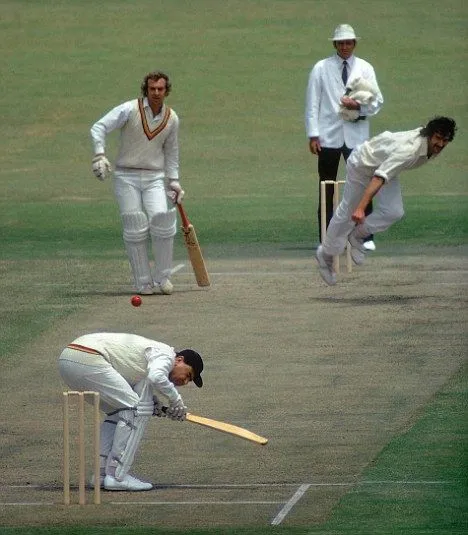

Crowds react instantly when the speed graphic flashes up after a delivery. A ball above 150 km/h feels dramatic because it compresses the batter’s reaction time and makes even a routine defensive shot look demanding. Yet pace alone does not explain why some fast bowlers are difficult to face and others are expensive.
Discussions about the fastest ball in cricket history naturally focus on headline numbers. Those records are fascinating, but the real craft of fast bowling lies in combining speed with accuracy, movement and a plan for the batter.
Reaction Time Changes at High Pace
The faster the delivery, the less time a batter has to read length, line and movement. That can force decisions to happen earlier, which increases the value of surprise. A short ball at high speed, for example, may feel far more threatening when the batter is expecting a fuller length.
Raw speed, however, does not bring the wickets, though. Skilled batters will be able to use the bowler’s speed to their benefit should the line be predictable or scoring opportunities be easy.
Accuracy Gives Pace a Purpose
The most effective fast spells usually include a repeatable area. A bowler who can attack the top of off stump, then change the length without losing control, asks the batter to make difficult decisions repeatedly.
This is where the difference between spectacle and sustained threat becomes clear. One extremely fast delivery may excite the crowd; six accurate deliveries create pressure.
Movement Makes Speed Harder to Handle
Swing and seam movement add another decision for the batter. A delivery that is fast and straight is challenging, but one that moves late can make the original shot choice wrong by the time the ball arrives.
Bowlers do not always need large movement. A small deviation at high pace can be enough to find an edge or beat the bat, especially when previous deliveries have established a different expectation.
Speed Readings Need Context
Fans often compare the highest bowling speed in cricket across eras, competitions and broadcasts. Those comparisons should be treated with some care because measurement technology, calibration and recording practices have not always been identical.
Even in modern cricket, a single peak speed tells only one part of the story. Average pace across a spell, conditions, workload and the quality of the opposition all provide useful context.
The Body Has to Sustain the Work
Fast bowling places significant physical demands on the body. Strength, coordination and recovery are important for the run-up, delivery stride and repeated impact. A series of quick balls over multiple spells can thus be more impressive than one fantastic ball.
It is particularly crucial with workload management for players who play in multiple formats. In a short format, players will make their best effort in short periods, whereas in a long format, players will have to be able to come back later in the day and get the pressure going.
Changes of Pace Are Part of Fast Bowling Too
Modern fast bowlers often use slower balls, cutters and cross-seam deliveries alongside their quickest options. That may sound contradictory, but a slower delivery can be effective precisely because the batter has adjusted to higher pace.
Variation works best when the action remains difficult to read. If the batter spots the change early, the slower ball can become easier to attack.
Why Great Fast Bowling Feels Uncomfortable
The best pace attacks make batters uncertain. Is the next delivery full, short, swinging, seaming or slower? Speed reduces the time available to answer those questions, while accuracy ensures that mistakes carry consequences.
That combination is why a bowler can dominate without breaking a speed record. Threat comes from the whole spell, not just the quickest number.
Field placement matters as well. A fast bowler working to a plan needs catchers, boundary riders or a packed leg-side field placed for the type of mistake being created. Pace becomes more effective when the captain and bowler are solving the same problem.
Conclusion
Speed will always be one of cricket’s most exciting measurements, but it should be read as part of a larger picture. Control, movement, variation and physical endurance are what turn pace into consistent fast bowling.
For readers interested in records and the techniques behind them, sportsgotec.com covers fast-bowling milestones alongside broader cricket history and analysis.